
The Rise of Bespoke in UK Interiors: What’s Trending in 2025
In 2025, UK interior design is experiencing a significant shift: homeowners are seeking spaces that feel deeply personal, crafted, and sustainable. Mass production still has its place, but the growing preference is for pieces and interiors that tell a story—pieces made for you, blending artistry with function. For a bespoke furniture studio like Deanes, this is fertile ground. Below are several key trends shaping interior design this year, and how bespoke furniture can lead the way.

1. Earthy, Deep Colour Palettes & “Quiet Luxury”
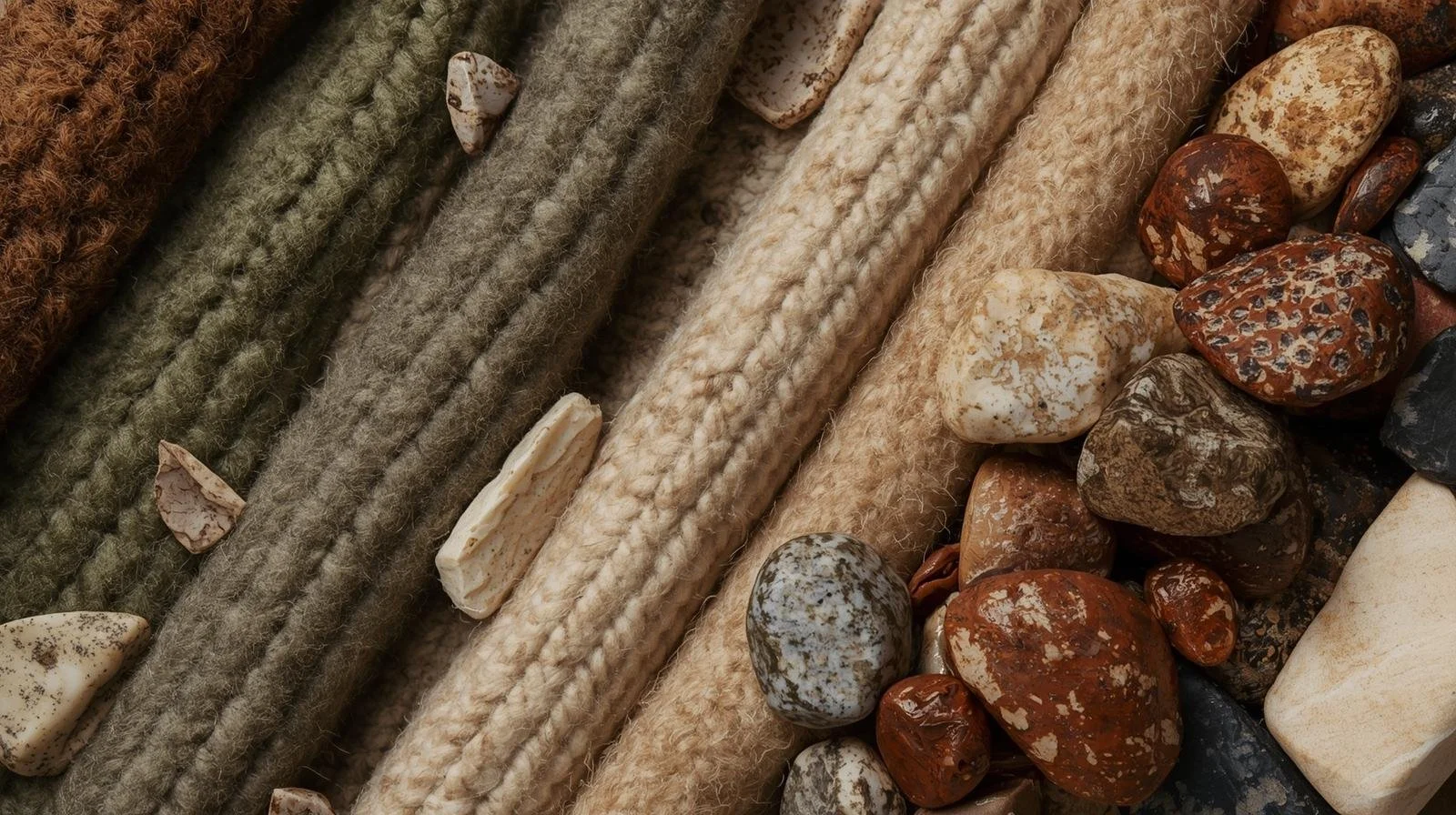
Far from the crisp whites and greys that dominated interiors over the past decade, richer, deeper, moodier colours are in. Think olive greens, burnt sienna, warm browns, terracotta, mushroom taupe and similar tones.
Paired with this is the rise of quiet luxury—understated elegance through quality materials, thoughtful design and custom detail rather than flashy statements. The idea is ‘luxury felt more than seen’.
Bespoke opportunity: Custom pieces let clients choose woods, finishes, fabrics that truly work with these deep palette tones. Bespoke cabinetry, shelving or furniture in dark stained woods or with natural matte finishes can elevate interiors in this vein.
2. Texture, Materiality & Artisan Details
Texture is playing a bigger role than ever. Soft fabrics like boucle, velvet and plush wools, natural stones, raw or limed woods, tactile plaster finishes and mixed materials are being layered to give depth and warmth.
We are also seeing an appreciation of artisan or crafted elements: joinery with interesting reveals, hand-finished edges, inlays, or mouldings. These details that require hand skill or bespoke fabrication stand out against generic, mass-produced alternatives.
3. Curved Forms, Organic Shapes, & Fluid Lines
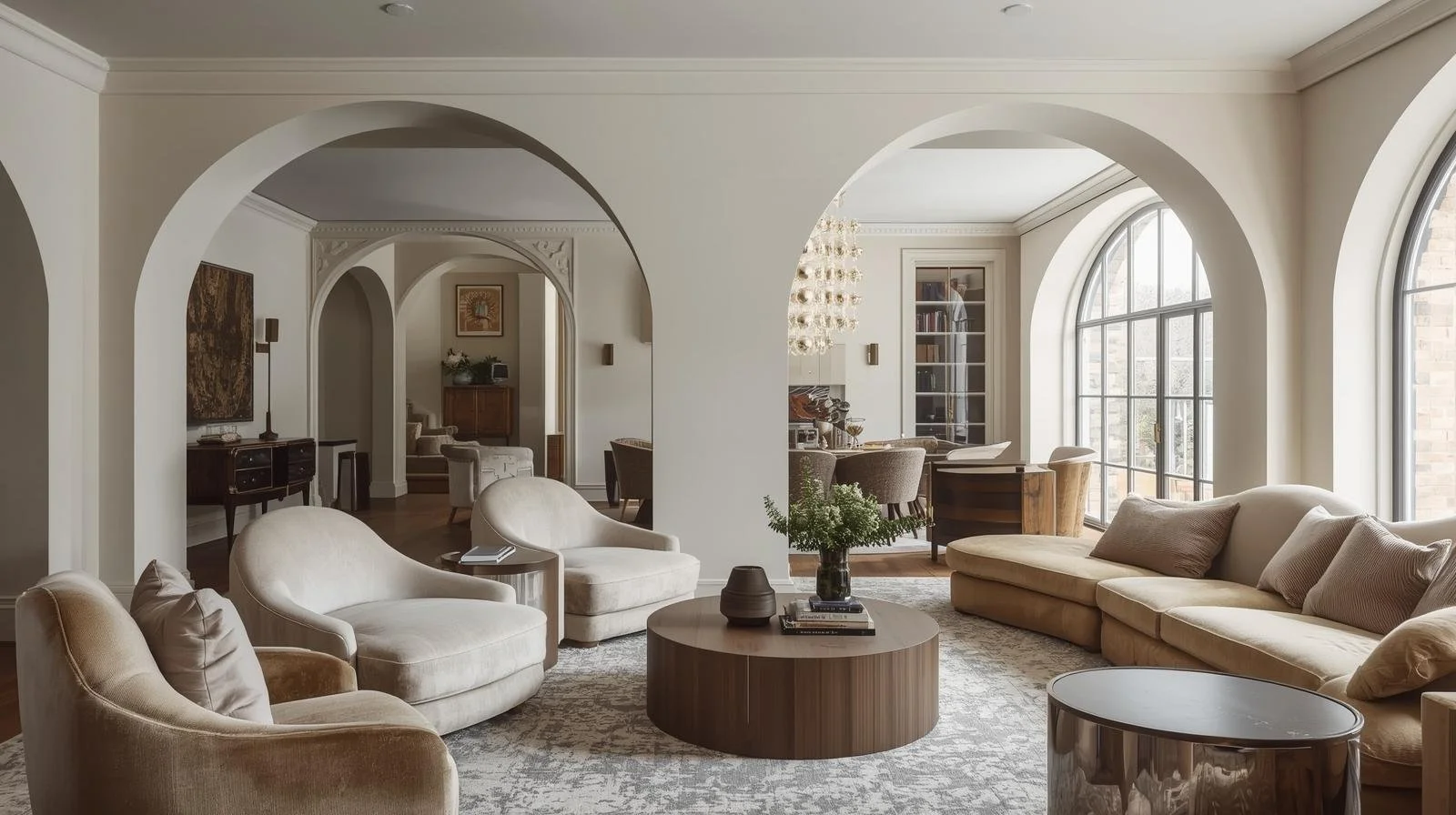
Sharp edges are giving way to curved sofas, rounded tables, arched openings, wavy mirrors and softer silhouettes overall. These shapes convey comfort, flow and a less rigid sense of space.
When bespoke furniture is built, it grants much more freedom to realise these organic forms properly—matching proportions, transitions, joins, and ensuring the piece works with the space (not just fits).
4. Sustainable, Eco-Conscious Design
Clients increasingly expect sustainability not just as an “extra,” but as integral. This includes:
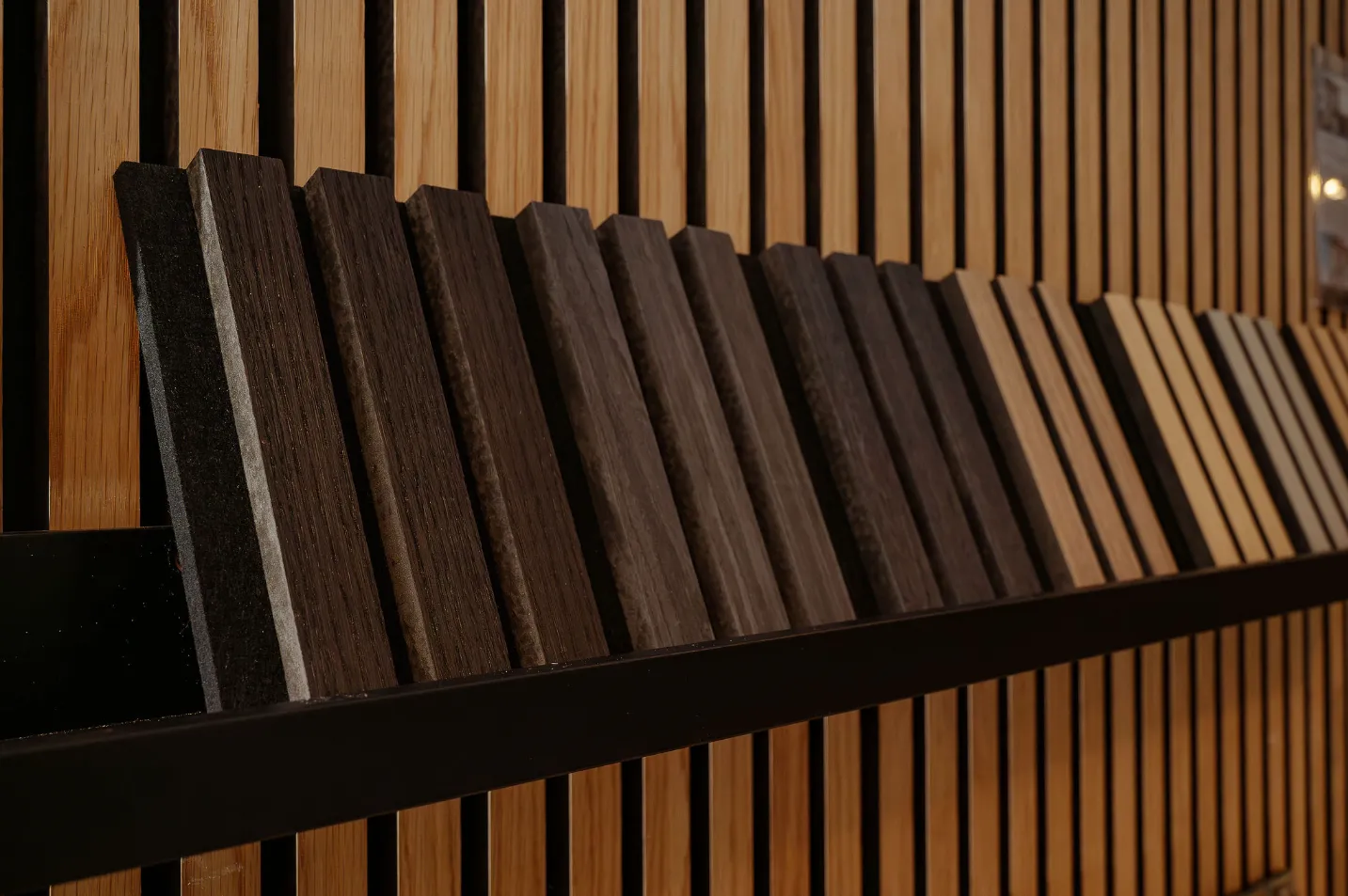
Using ethically sourced or reclaimed wood
Low-VOC finishes, natural oils and lacquers rather than synthetic coatings
Designing pieces that are built to last rather than disposable
Bespoke furniture is very well positioned here.

5. Multi-Functional & Flexible Spaces
Because modern living demands versatility—home offices, study zones, guest spaces and more—furniture and interiors are being designed to adapt:
Fold-away or extendable tables
Hidden storage or clever storage integration in benches, stairs and wardrobes
Modular systems
Bespoke joinery and furniture enable smarter use of space tailored to clients’ actual needs.
6. Statement Lighting & Architectural Features
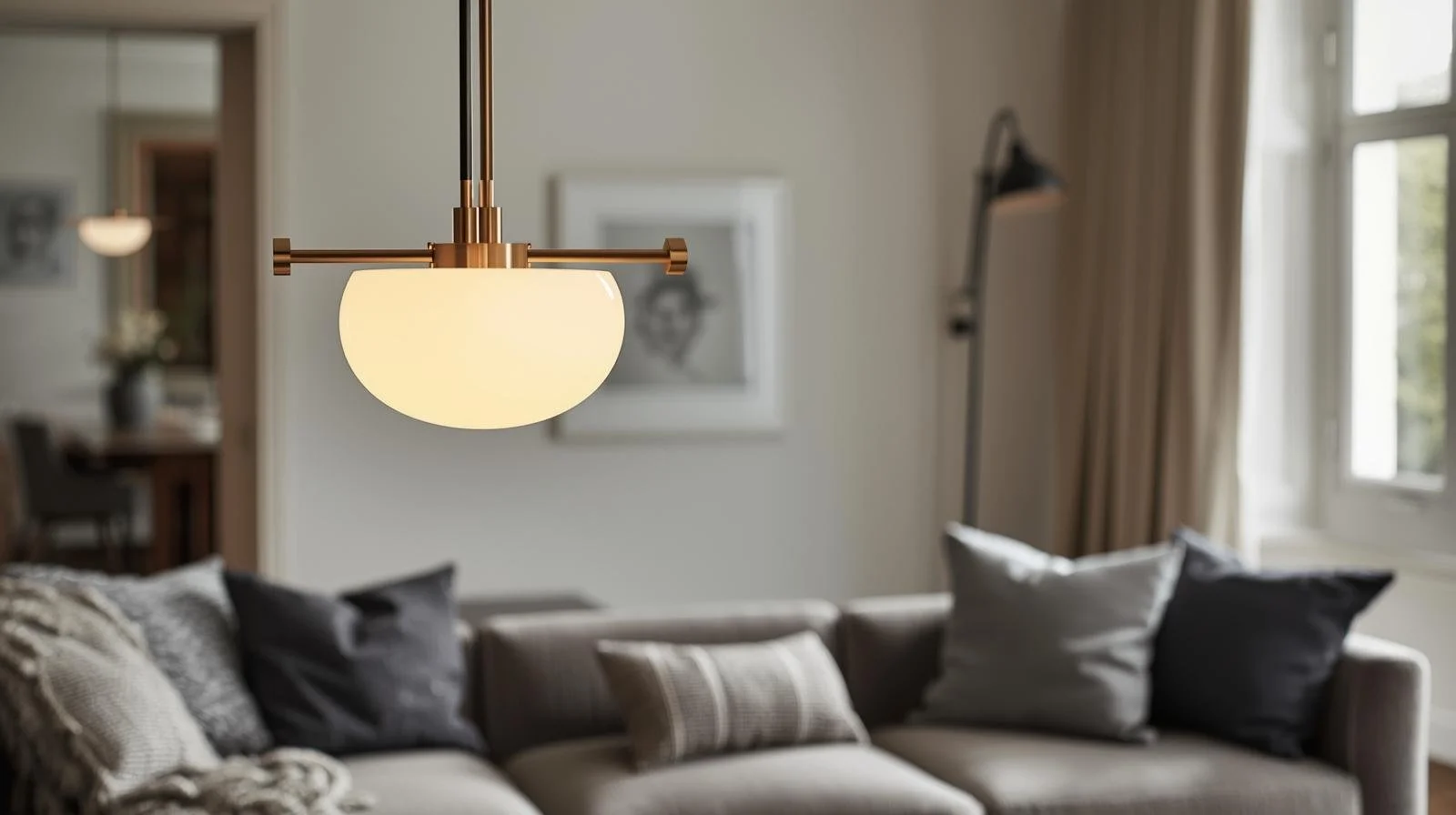
Lighting is no longer just about function; it’s a feature in its own right. Statement pendants, sculptural fixtures, integrated lighting in joinery and hidden ambient lighting are all rising trends.
Architectural features like arches, curved walls, panelled finishes, custom staircases or shelving units are also in demand. Bespoke work can create seamless fusion between the furniture, the structure and the lighting.
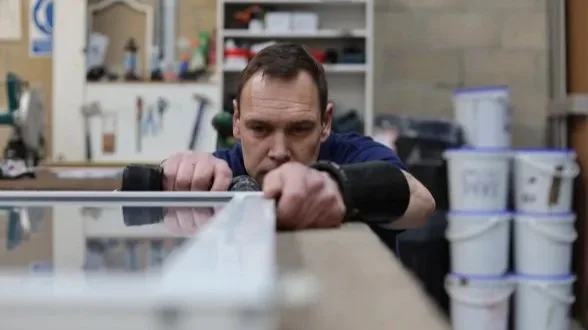
Why Bespoke Furniture is More Relevant Now
Personalisation – Homeowners want furniture that reflects them: their tastes, lifestyle, pastimes. A standard model may not fit or feel “right.”
Quality & Longevity – Bespoke means better materials, better craftsmanship, repairs or updates. This aligns with sustainability and reduces long-term costs.
Fit & Use – Custom sizing, adapting to peculiar spaces (odd angles, small rooms, bespoke layouts). Makes everything look more considered and coherent.
Uniqueness & Identity – Bespoke lends a unique character to a home; it becomes part of the story.
What to Consider: Balancing Trend & Timelessness
While riding trends is important, too fast a change risks feeling dated. Here are some tips:
Choose trends as accents rather than foundations (e.g. bold paint colour or lighting fixture rather than the whole furniture suite).
Focus on neutral, well-made base pieces (sofas, major storage), then layer in trending colours and textures.
Pick timeless designs (clean lines, classic proportions) and pair with finishing details (handles, fabrics etc.) that can be more readily changed.
Treat sustainability as a core value—not as an add-on.
Final Thoughts
The key to great interiors in 2025 is balance: embracing the trends that bring warmth, sustainability and individuality, while ensuring each choice will stand the test of time. Bespoke furniture sits at the very centre of this balance. It allows homeowners to create something truly personal, built with care and intention, that complements both the mood of today and the timeless appeal of well-crafted design. At Deanes, that philosophy—spaces shaped by individuality and quality—remains as relevant as ever.
