
How 2026’s Interior Directions Demand Smart Fitted Furniture
As we move into 2026, UK homeowners are looking for more than just a fresh coat of paint or a new sofa. Interiors are evolving to reflect personal values and multi-purpose living, with tastes shifting towards richer colours, organic shapes, sustainability and flexible spaces. According to recent design commentary:
Earthy, deep colour palettes and “quiet luxury” are on the rise.
Our homes need to work harder: multifunctional zones and flexible furniture are becoming essential.
Sustainability and materiality matter more than ever.
In this context, bespoke fitted-furniture doesn’t just play nice, it becomes the enabler of these trends. Let’s explore how.
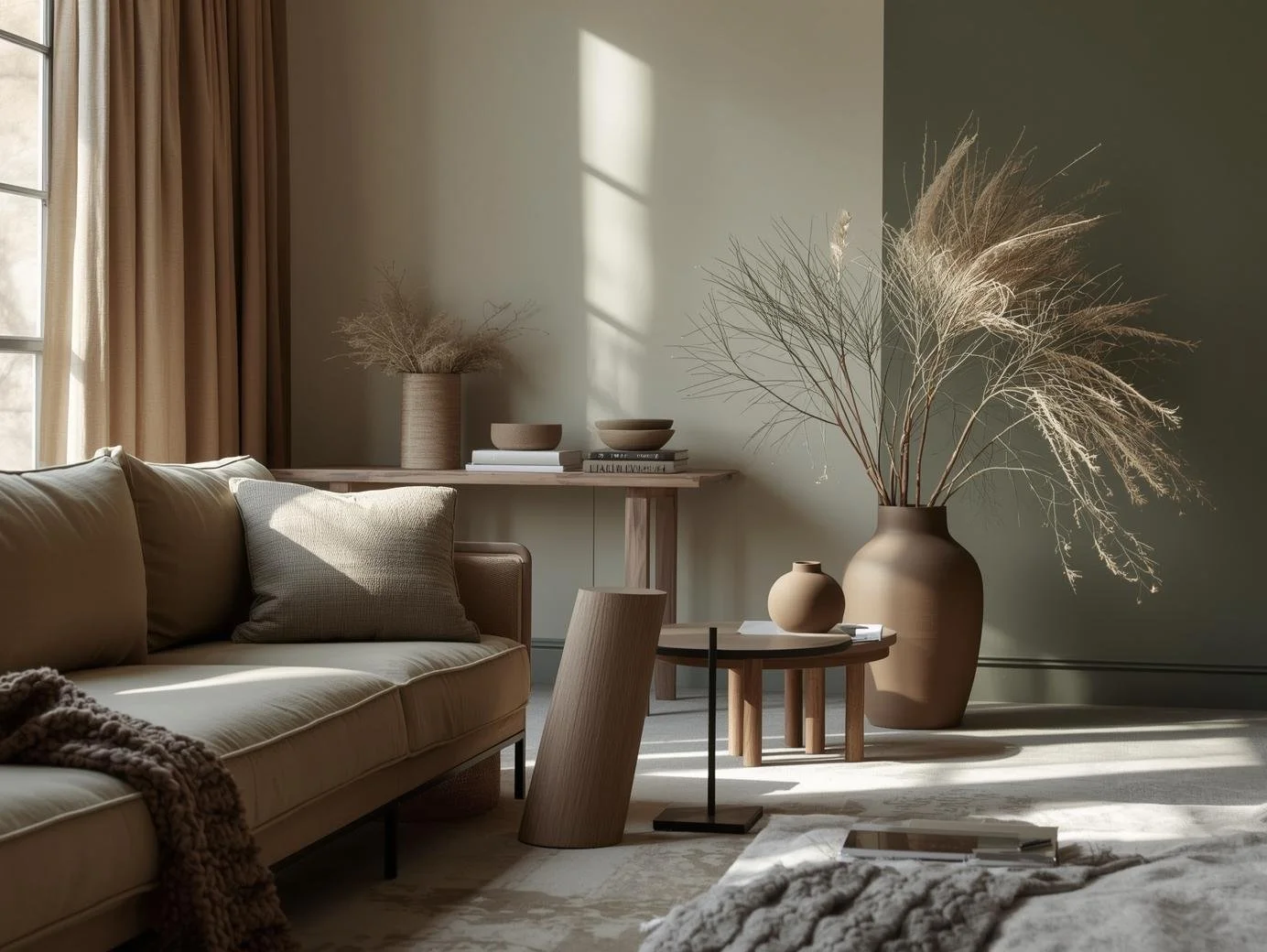
Trend 1: Earthy Colours, Texture & Quiet Luxury
Recent reports highlight that 2025 is steering away from stark white minimalism into richer, warmer palettes—mushroom taupe, olive greens, terracotta, warm browns—and layering textures and materials. Deanes Fitted Furniture+1
Coupled with this is the notion of “quiet luxury” – an understated elegance built through quality materials and thoughtful design rather than flashy statements. Furniture And Choice
How fitted furniture responds:
A fitted wardrobe, wall-to-wall shelving unit or media wall, crafted in a deep stain or warm matte finish, anchors the space in the trend.
By selecting high-quality joinery, tactile surfaces (e.g., limed wood, matte lacquer), bespoke handles or inlays, these pieces become part of the «luxury felt more than seen» story.
Because fitted furniture is custom-sized, it fits the architecture seamlessly, letting the rich palette or texture shine — rather than being blocked or constrained by pre-made furniture.
At Deanes we’re seeing clients request deep, moody hues for their wardrobes and storage, rather than the safe mid-grey. Our joinery is now being specified in rich walnut stains, flint-tones or olive-green lacquer, paired with subtle details (concealed handles, soft-close mechanisms) so the furniture sits quietly, elegantly, in the room.
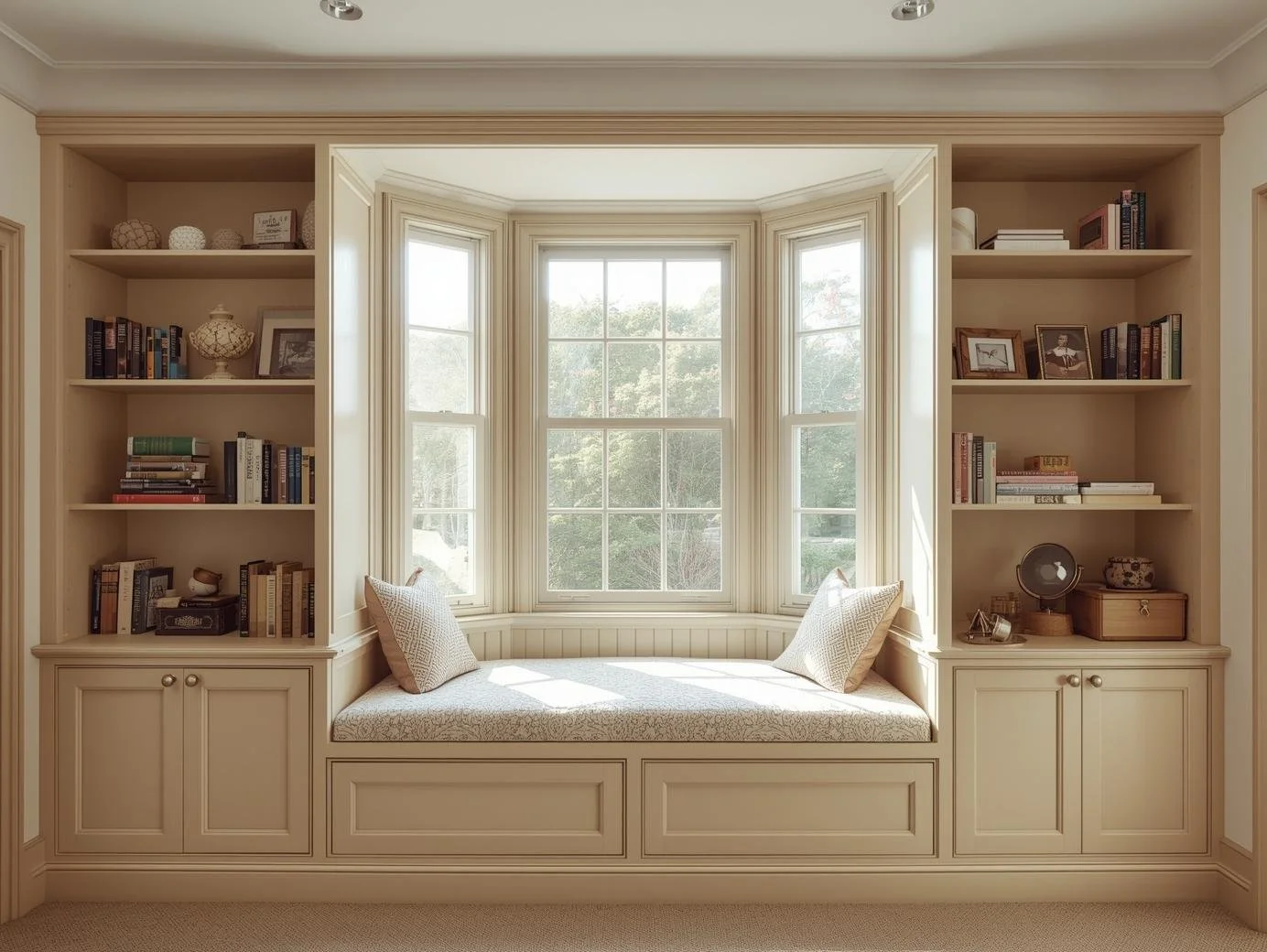
Trend 2: Curves, Organic Forms & Softening the Space
Interior commentary for 2026 emphasises that furniture silhouettes are becoming softer and more fluid: curved sofas, arched openings, organic shapes rather than rigid boxy geometry. The idea: spaces should feel nurturing and well-considered rather than overly mechanical.
How fitted furniture responds:
Fitted joinery gives the opportunity to tailor curves or non-standard proportions to match the architecture. For example: a curved run of cabinets rounding a bay window, or bespoke shelving with softened joinery instead of 90° angles.
It allows integration with features such as arched alcoves or windows, so the furniture feels built-in and harmonious.
With bespoke manufacture, you’re not limited to standard rectangular modules—you can design to respond to the flow of the room.
We’ve recently completed a living-room scheme where the shelving and storage follow the curve of a bay-window. The result? Furniture that doesn’t fight the architecture but flows with it. Clients tell us it feels more relaxed, more considered.
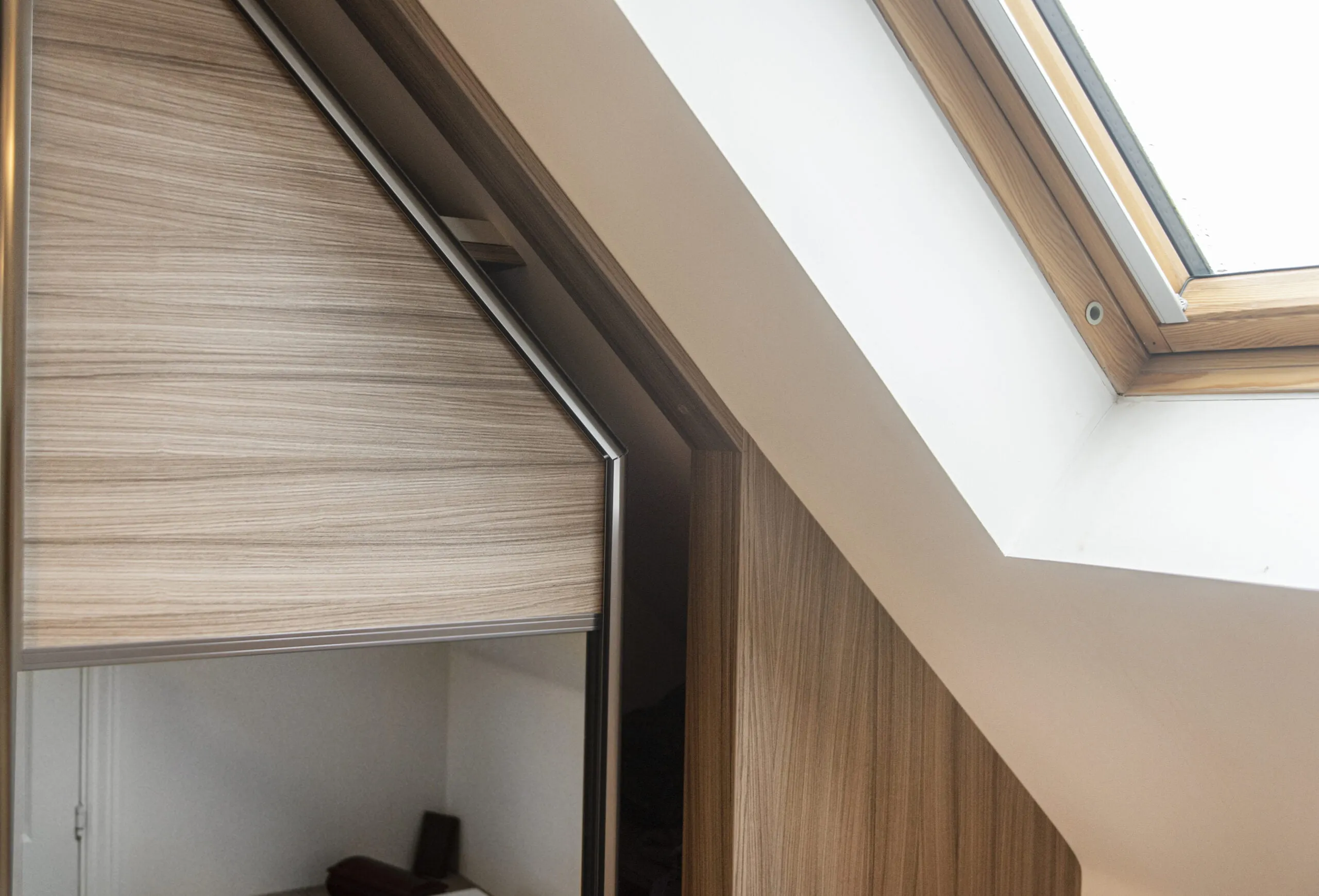
Trend 3: Multifunctional, Flexible Space & Smarter Storage
Homes today — especially in the UK where space is at a premium — are under pressure to do more: working, relaxing, entertaining, storing, even exercising. Reports highlight that multifunctional furniture and flexible zones are key. Fitted furniture is uniquely placed to serve that need.
How fitted furniture responds:
Built-in storage that maximises every millimetre: under-stair joinery, bespoke wardrobes in odd attic angles, hidden cabinets in alcoves.
Storage that integrates additional uses: e.g., wardrobes that incorporate a pull-out desk, shelving that doubles as display + store, or media units that hide computing hardware.
Solutions designed to adapt over time: adjustable shelving, modular internal fittings, future-proofing the room.
One of our most popular requests lately: a home-office corner disguised inside a wardrobe run. When closed, you see a sleek storage wall; when opened, you have a desk, shelving, cable-management and lighting ready to go. That’s fitted furniture working smart.
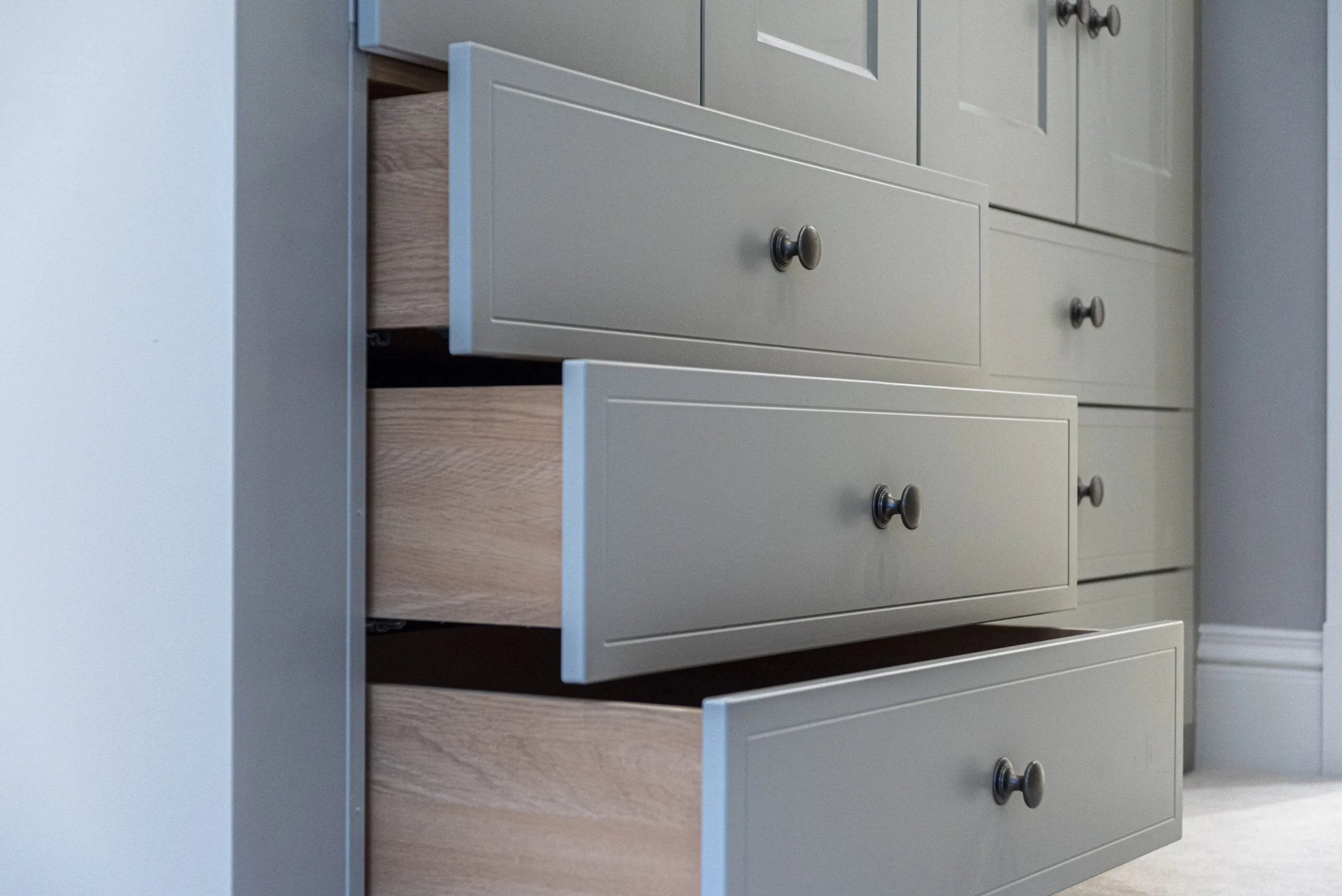
Trend 4: Sustainability, Craftsmanship & Lasting Quality
Another recurring theme for 2026 is sustainability. Clients are not only looking for looks—they want materials that are responsibly sourced, finishes that are healthy (low-VOC), and pieces built to last. Bespoke joinery aligns well with this: it’s typically made to measure, built to last, and made to fit the space perfectly (reducing waste).
How fitted furniture responds:
Using FSC-certified timber, reclaimed wood or responsibly sourced veneers aligns with eco-values.
Built-in furniture tends to stay in the house for decades (rather than being replaced every few years) so the lifecycle is longer.
Custom manufacture means fewer compromises, less leftover material, and better overall integration (so less need for add-ons/upgrades).
We believe timeless doesn’t just mean ‘won’t look old in 10 years’ — it means built to perform. The joinery we craft is meant to move with you: change shelving, adjust internal fittings, refresh finishes instead of replacing the whole unit. That aligns with sustainability and with how UK homeowners are thinking today.
Practical Tips & Calls to Action
Audit your space – Check for under-used niches, awkward angles, or wasted space (landing, eaves, alcoves) and ask: could fitted furniture transform this into storage, display or work-space?
Decide your palette – If you’re going for the richer-earthy palette or deeper tones, coordinate your fitted joinery finish accordingly. Wood stains or coloured lacquer can tie into your wider scheme.
Think future-function – What might that room need to do in 5 years? Could your wardrobe one day include a pull-out desk? Could the media wall become a hybrid gaming + work hub? Designing now saves retrofit cost later.
Materials & finish matter – Choose high-quality finishes, low-VOC paints/lacquers, consider joinery details (concealed handles, soft-close, internal lighting) that elevate the furniture from simply “storage” to “feature”.
Work with a specialist – Standard furniture rarely fits perfect, and making do often means compromises in look or function. A fitted furniture specialist can measure, design and manufacture to match your room and design vision.
Conclusion
The interior-design horizon for 2026 is rich and varied: warmer tones, softer forms, smarter rooms and more conscientious materials. In that environment, fitted furniture isn’t just an option—it becomes a strategic part of how a home is built and experienced.
For homeowners seeking to refresh their space, partnering with a specialist like Deanes means your furniture becomes part of the architecture, part of the story—not just an add-on.
Ready to explore how fitted joinery can elevate your home’s next chapter? Let’s talk: measure the space, define the vision, and craft something bespoke that truly fits.
