
Why Natural Materials Are Defining Home Interiors in 2026
Trends come and go, but some design movements feel less like a passing fad and more like a natural evolution. In 2026, homeowners are continuing to move away from ultra polished, synthetic interiors in favour of something warmer, more tactile and infinitely more inviting: natural materials.
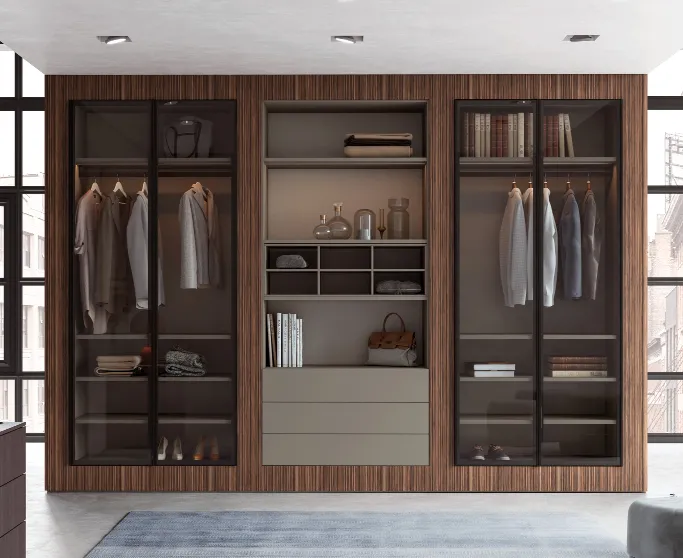

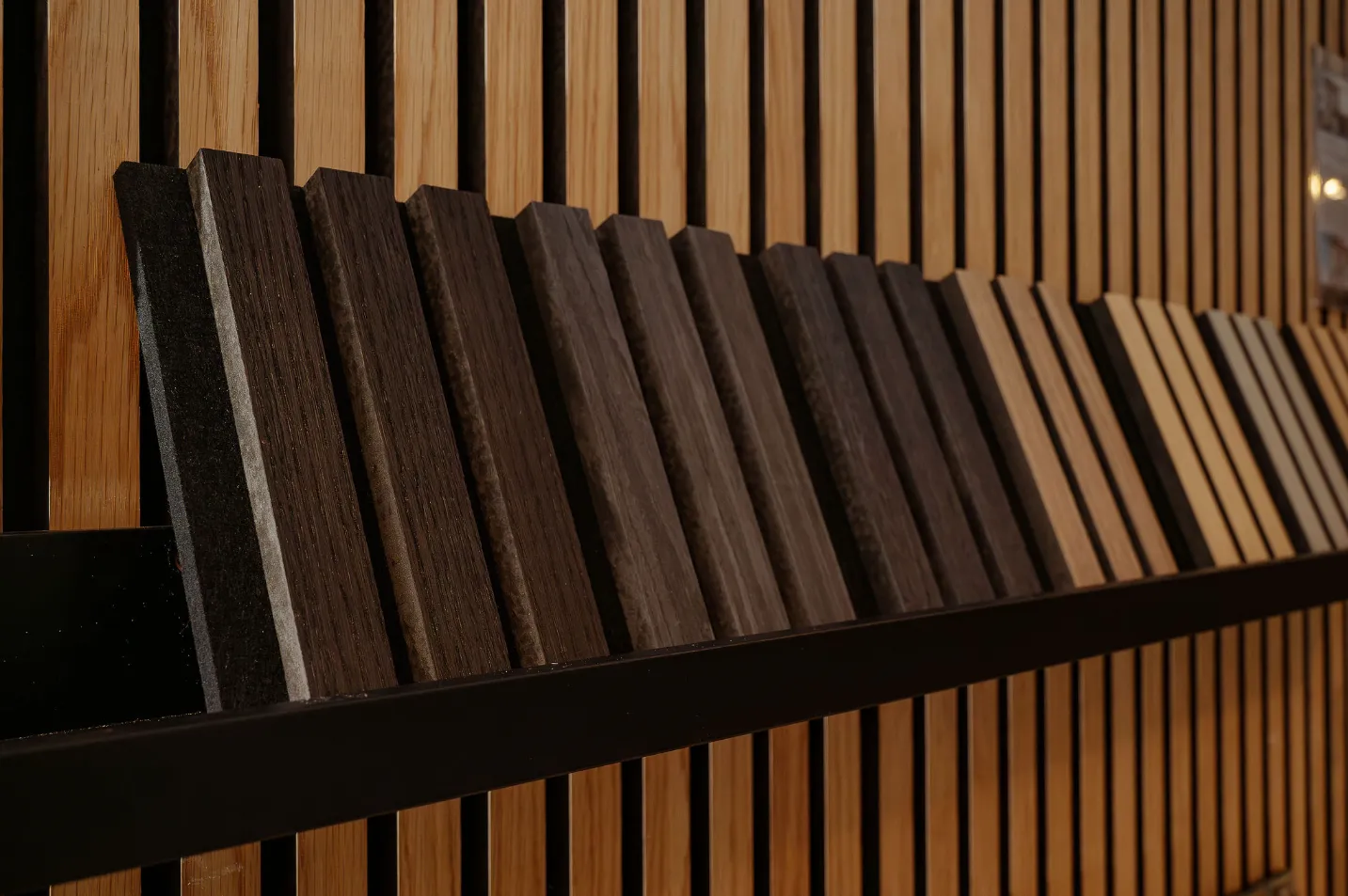

Across kitchens, bedrooms and living spaces, designers are embracing oak, walnut, natural stone, linen and wool to create homes that feel authentic, calming and connected to the natural world. It is a trend that reflects a growing desire for interiors that prioritise comfort and longevity over short lived design statements.
Wood remains at the heart of the movement. Rich walnut cabinetry and warm oak finishes are replacing the cooler greys and glossy surfaces that dominated the previous decade. Natural timber introduces character, texture and warmth, while developing a patina over time that only adds to its appeal.
Stone is having a similar moment. Whether it is a statement kitchen island, a quartz worktop or subtle stone detailing, homeowners are increasingly drawn to materials that showcase natural variation and unique patterns. No two pieces are ever quite the same, helping create spaces that feel individual rather than mass produced.
Soft furnishings are following suit. Linen curtains, wool rugs and textured fabrics are being layered throughout the home to soften spaces and introduce a sense of comfort. The result is an interior that feels lived in and welcoming rather than overly styled.
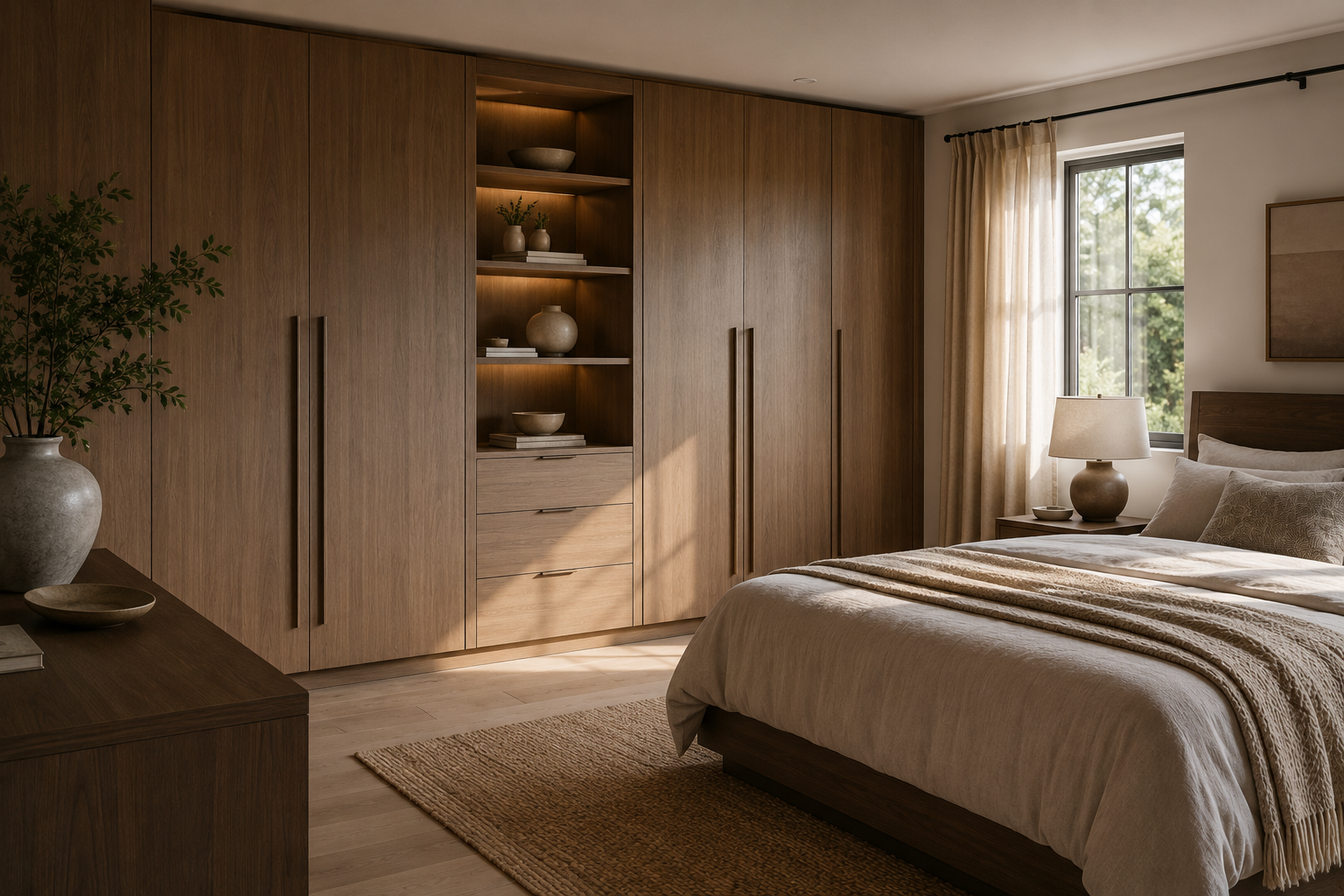
One area where this trend is particularly evident is fitted furniture. As homeowners look to maximise space without compromising on aesthetics, bespoke fitted solutions are becoming increasingly popular. Unlike off the shelf alternatives, fitted furniture can be designed to complement the architecture of a room while incorporating the natural materials and finishes that are defining contemporary interiors.
This is where Deanes' approach to fitted furniture feels especially relevant. Their range of finishes embraces many of the materials currently shaping interior design, from beautifully crafted woodgrain effects inspired by natural oak and walnut through to sophisticated textured finishes that capture the warmth and character homeowners are seeking. The result is furniture that feels seamlessly integrated into the home rather than simply added to it.
Whether it is a fitted wardrobe that mirrors the warmth of timber flooring, a media wall that complements natural stone features, or bespoke storage that works alongside linen rich soft furnishings, the connection between fitted furniture and natural materials helps create a cohesive design language throughout the home.
Perhaps that is why the trend shows little sign of slowing down. Natural materials bring a timeless quality that transcends seasonal fashions, while fitted furniture offers the practicality modern homeowners demand. Together, they deliver spaces that are not only beautiful to look at but genuinely enjoyable to live in.
In a world increasingly dominated by screens and technology, it seems we are all craving a little more nature at home. And judging by the interiors defining 2026, that desire is only growing stronger.
